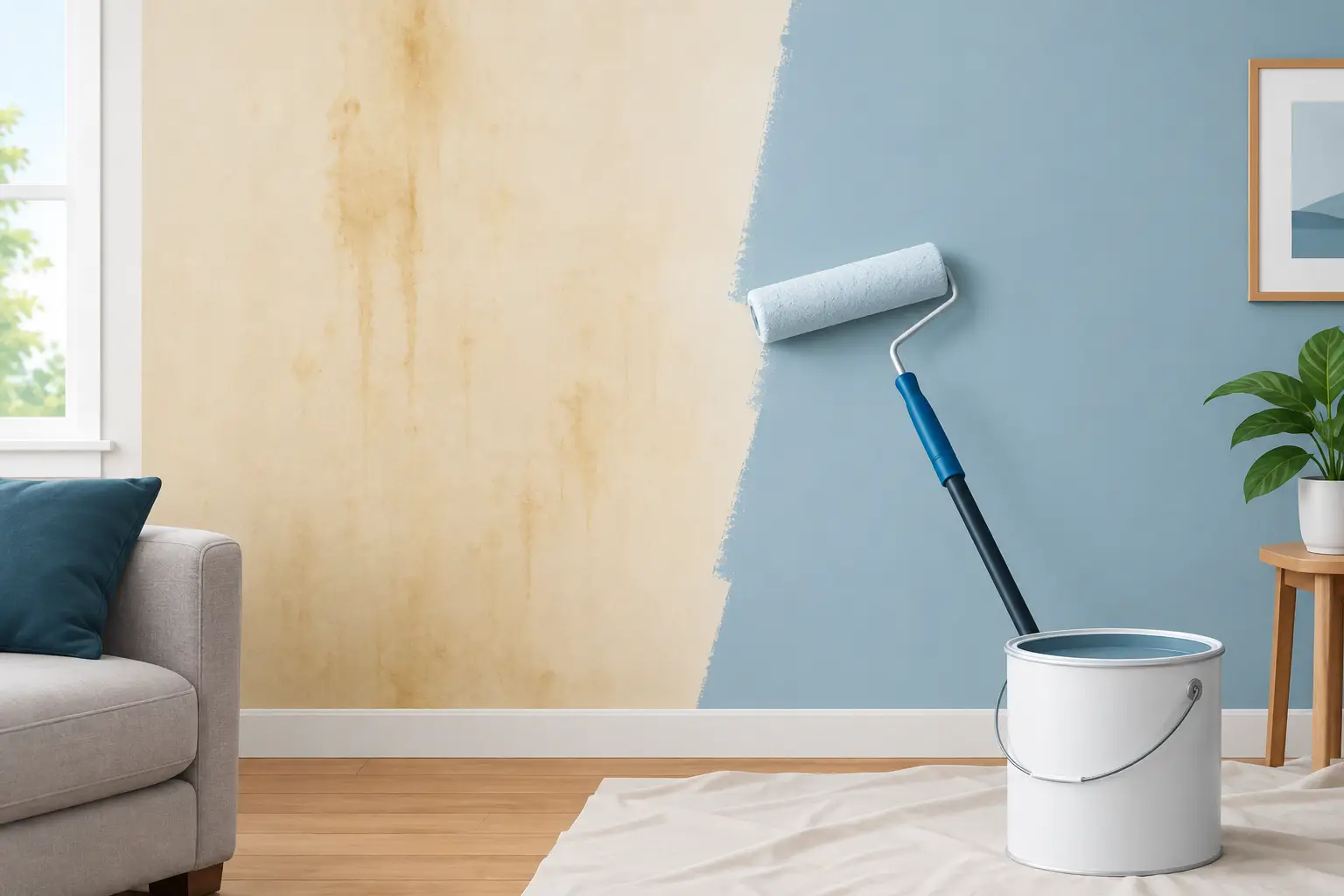
More coats of budget paint may improve coverage, but they do not reliably match the finish or durability of higher-quality paint. Even after several coats, a lower-grade product can look patchy, while a better-formulated paint may cover more evenly. Understanding paint quality differences means looking beyond coat count to the pigments, binders, and other ingredients that affect adhesion, coverage, and how well the finish holds up.
It is reasonable to think that applying more paint could make up for a lower price. But understanding paint quality differences also means recognising that extra coats can improve opacity without changing the paint’s formulation or guaranteeing a smoother, more durable result.
This guide compares paint ingredients, coverage, durability, and finishes, and explains why a higher initial cost may mean less maintenance over time. Understanding paint quality differences helps you choose a product for your surface and project in Singapore, balancing the finish you want with the preparation and upkeep it requires.
Key Takeaways
- More coats can improve coverage, but they can’t change the paint’s ingredients or guarantee the same adhesion, finish, and durability.
- Match the finish to the room’s use: consider how visible surface flaws are, and how often walls may need cleaning.
- Choose paint for the surface and whether the project is indoors or outdoors, then factor in maintenance and budget.
- Before painting, assess surface condition and colour change; preparation and suitable paint both influence the final result.
Matt, satin, silk, eggshell and gloss finishes
Finish affects how light falls on walls, how clearly flaws show, and how easily marks can be cleaned. Match the sheen to the room’s cleaning needs and the condition of the surface.
Matt Finishes
Matt paint has little sheen, giving walls a soft, understated look. It hides small surface imperfections better than gloss, so it can suit living rooms and ceilings where a low-reflection finish is preferred. The trade-off is lower washability: frequent scrubbing can damage its appearance. A smooth result still depends on preparation, not sheen alone.
Satin and Silk Finishes
Satin and silk reflect more light than matt, creating a gentle sheen that can brighten interior walls. They suit areas that need more cleaning, such as hallways, while showing surface flaws more readily than matt. Luxury paints are designed for washability of up to 10,000 scrub cycles. Follow the product’s cleaning instructions to protect the finish.
Eggshell Finishes
Eggshell has a subtle sheen between matt and glossier finishes. It balances durability and washability, making it a practical choice for many interior walls. Unlike matt, it reflects some light and can reveal unevenness. Unlike gloss, its reflections are restrained, which can help a room feel calm rather than polished.
Gloss Finishes
Gloss reflects the most light and is durable and easy to clean. It can suit surfaces that need regular wiping, but its reflections highlight dents, ridges, and uneven application. Prepare the surface carefully before choosing gloss. Cracking or peeling is related to paint condition and adhesion, while a shiny finish can make existing flaws more noticeable.
| Finish | Sheen | Imperfections | Cleaning |
|---|---|---|---|
| Matt | Low | Hides more | Less washable |
| Satin or silk | Medium | Shows more | Washable |
| Eggshell | Subtle | Moderate | Balanced |
| Gloss | High | Highlights | Easy to clean |
How can you test paint quality before buying? Apply a small sample to the wall, then inspect its colour and uniformity under different lighting. Premium paint finishes score 30-35% higher in visual uniformity tests.
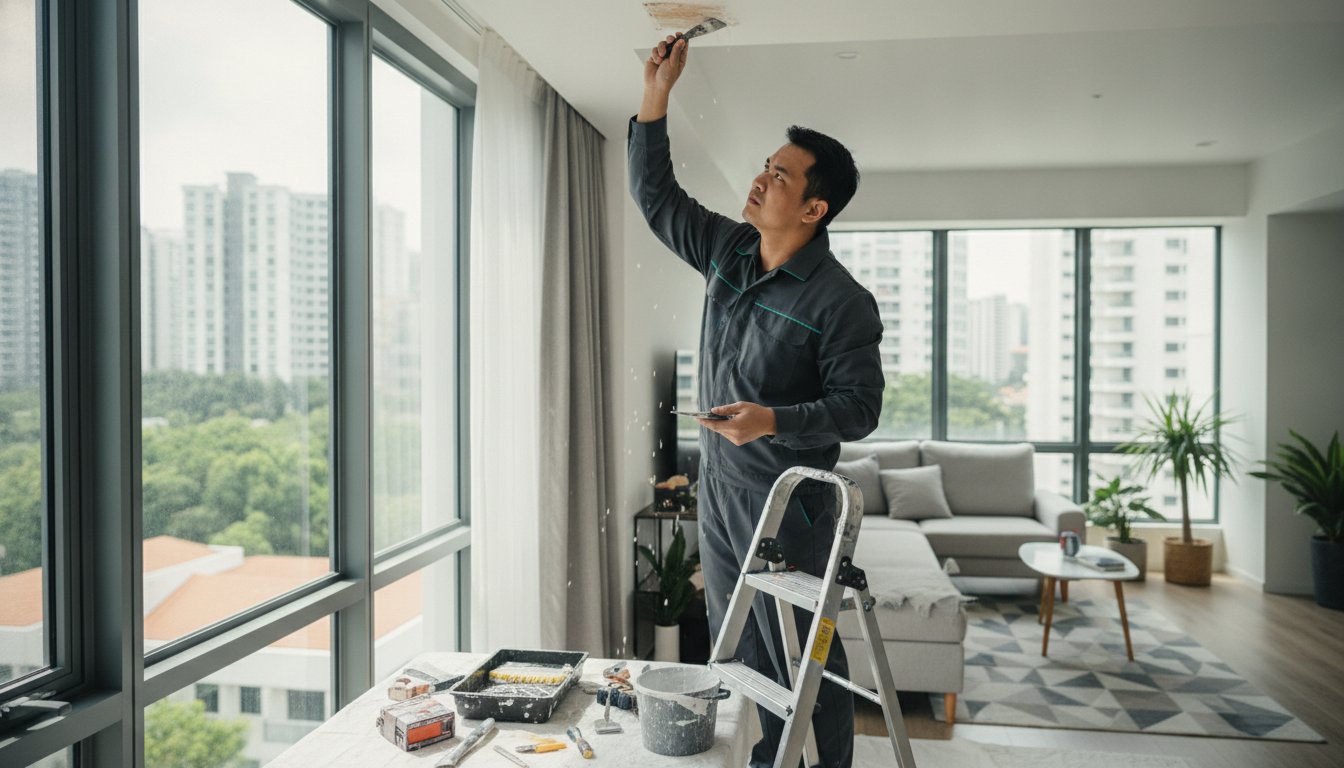
How should surfaces be prepared for a durable paint finish? Clean, sand, and prime the surface to improve adhesion and smoothness. Apply multiple thin coats rather than one thick coat.
Choose matt to hide flaws, eggshell or satin for balanced upkeep, and gloss for easy cleaning on well-prepared surfaces.
What’s the Difference Between Cheap Paint and High-Quality Paint?
Paint quality is about more than the price on the can. Formulation, coverage, surface compatibility, and resistance to moisture or sunlight all affect performance.
Interior Paints
Interior paint prioritises appearance and low odour, while exterior paint is formulated to withstand weather and UV exposure. For a bedroom or living room, compare coverage, finish, and cleaning needs. Eggshell offers a balance of durability and washability for many interior walls. Higher-quality paints may cover more area, reducing the need for extra coats and application time. The right choice still depends on the wall surface and its condition.
Paints for Humid, Rainy Climates
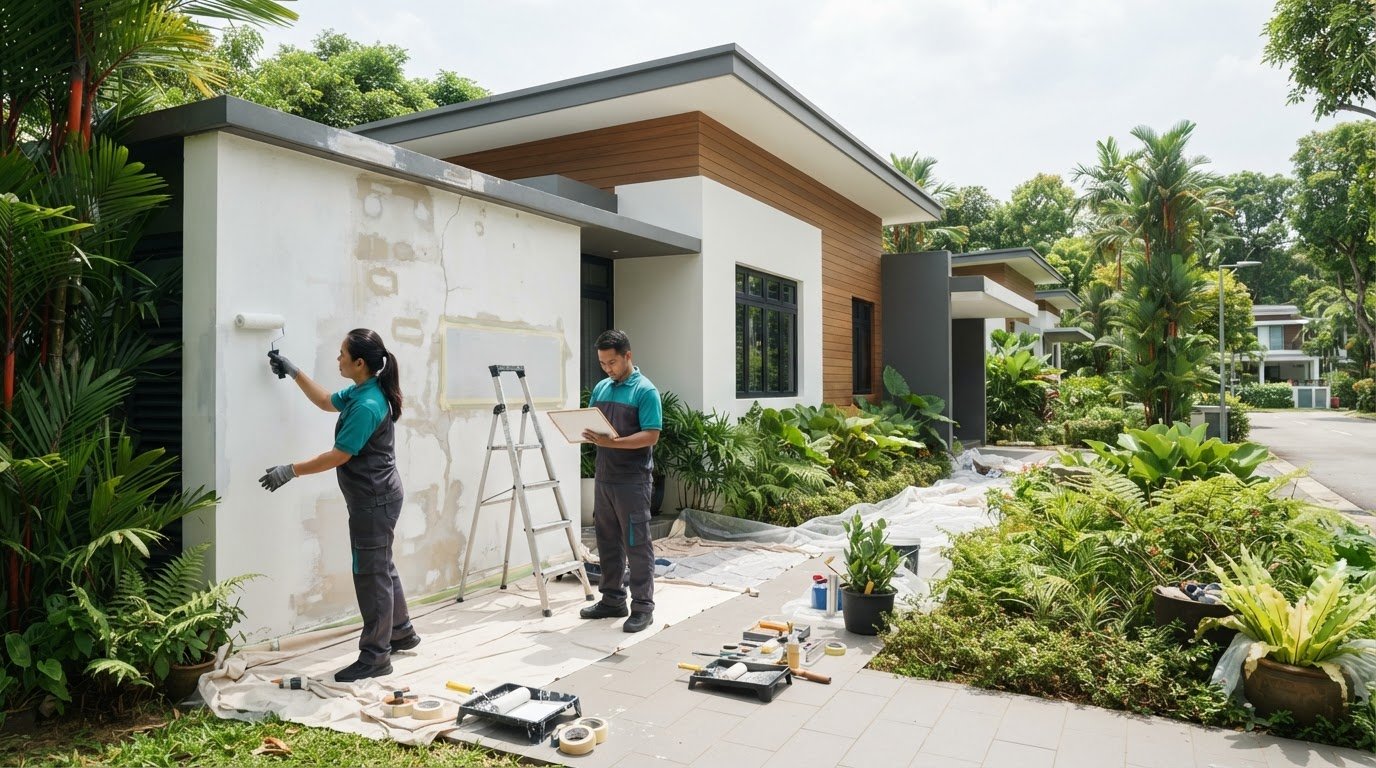
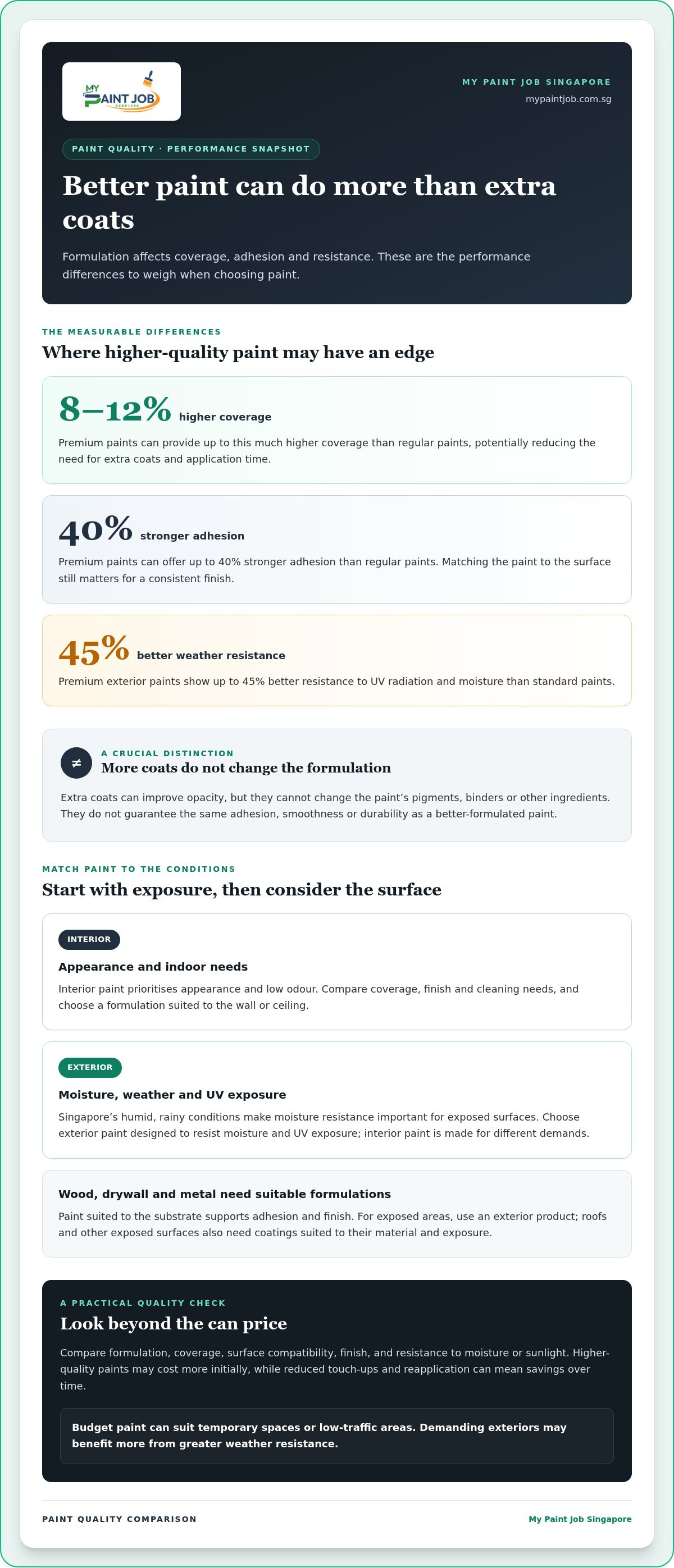
Singapore’s humid, rainy conditions make moisture resistance important for exposed surfaces. Choose exterior paint designed to resist UV exposure and moisture; interior paint is intended for different demands. Premium exterior paints show up to 45% better resistance to UV radiation and moisture than standard paints. Roofs and other exposed surfaces also need a coating suited to their material and exposure. A paint intended for indoor walls isn’t a substitute for exterior protection.
Which paint types suit Singapore’s humid, rainy climate? For exterior surfaces, choose paint designed to resist moisture and UV exposure. Interior formulations focus more on appearance and low odour.
What affects the price of quality paint in Singapore? Price depends on formulation, finish, coverage, intended surface, and pack quantity. Compare how much surface each can covers, along with durability and maintenance needs, rather than judging by the can price alone.
Higher-quality paints often use better pigments and binders, which support coverage and adhesion. Premium paints can provide up to 8-12% higher coverage and up to 40% stronger adhesion than regular paints. They may cost more initially, yet reduced touch-ups and reapplication can mean savings over time. Budget paint can suit temporary spaces or low-traffic areas, while demanding exteriors often benefit from greater weather resistance.
Wood, drywall, and metal each need paint suited to that surface for good adhesion and finish. Select specialty formulations accordingly, and use exterior products on exposed areas. For a home with damaged concrete, spalling concrete repair addresses the substrate before a new finish is applied.
How to Pick the Correct Paint Type for Your Project?
Start with the surface, then decide whether the project is indoors or outdoors. In Singapore, also consider moisture exposure, the desired texture, washability, and indoor air quality.
Indoor and Outdoor Paint Choices
Emulsion paint suits interior walls and ceilings, while exterior paints prioritise resistance to weather and UV exposure. Acrylic paint is used on interior and exterior walls and concrete. For wood or metal, choose a formulation suited to the surface, such as enamel paint. Matching paint to the substrate supports adhesion and a consistent finish, rather than relying on colour or sheen alone.
Low-VOC Paints
Low-VOC paints are described as better for the environment and indoor air quality. Low-VOC luxury paints can improve indoor air quality by up to 60%. Consider this option for enclosed spaces, while also weighing pigments, finish, and washability. For painting safety, keep the room ventilated and follow the paint label’s instructions for application and drying.
What safety and ventilation risks should you consider when painting? Paint fumes can affect indoor air quality, so ventilate the room during application and drying. Follow the product instructions, including guidance on ventilation and drying times.
Use this selection sequence to narrow the options:
- Identify the surface. Match the paint to concrete, wood, metal, or an interior wall. A suitable formulation helps the coating adhere.
- Decide where it will be used. Choose interior paint for indoor walls and ceilings; choose exterior paint for surfaces exposed to rain, humidity, and sunlight.
- Set practical priorities. For a busy indoor space, consider washability alongside colour and texture. For outdoor surfaces, prioritise weather and UV resistance.
- Review the label. Follow the manufacturer’s application and drying instructions. Allow the stated drying time before recoating.
In Singapore’s humid climate, exterior formulations designed to resist moisture and UV exposure are better suited to exposed walls than indoor emulsion. For interior rooms, balance finish with cleaning needs; for wood or metal details, select a compatible enamel or oil paint. Decide on the surface and its exposure first, then choose the colour and finish.
Paint ingredients and quality differences
Paint performance depends on its ingredients, the surface, and the application. Binders, pigments, and fillers influence adhesion, coverage, and how smoothly the coating dries.
Water-Based Paints
Water-based paints use water as their main carrier, with pigments and binders forming the coating. Emulsion paint is described as durable and fast-drying, making it a common choice for interiors. Better binders help paint adhere and maintain its finish. Lower-grade binders can contribute to earlier chipping, flaking, or fading, so compare the formulation, not just the brand.
What are the differences between water-based and oil-based paints? Water-based emulsion paint dries fast, while oil-based paint can take up to 24 hours to dry. Their ingredients and drying times differ, so choose according to the surface and project.
Oil-Based Paints
Oil-based paints use an oil-based binder and can form a hard-wearing coating on suitable surfaces. Their drying time, up to 24 hours, is longer than fast-drying emulsion paint. That longer wait affects application and recoating. Follow the tin’s instructions for drying and recoating times to achieve a smooth result, rather than applying another coat too soon.
Ingredient quality helps explain why cheaper paint may need more coats. Higher-quality paint typically contains 30% to 45% binders and pigments; paint with less than 30% binders and pigments is typically lower quality. Premium paints contain 20-35% more active performance ingredients than economy-grade paints. Budget paint may contain more water or filler, which can make application splashy or streaky.
Binders hold pigments together and help the coating adhere. Stronger formulations can help resist cracking, peeling, and fading, including on surfaces exposed to Singapore’s humid weather. Some quality paints also have washable, stain-blocking, or mould-resistant features. Cheaper paints often contain higher levels of VOCs than higher-quality paints, making formulation relevant for indoor spaces too.
Compare labels for paint type, surface suitability, and performance features. For damaged concrete that needs attention before painting, discuss spalling concrete repair as part of preparing the surface for a new finish.
My Paint Job Singapore: HDB painting services
My Paint Job Singapore provides HDB painting services for homeowners planning a refresh or repaint. If you are weighing coverage, finish, and surface preparation, professional painting can bring those decisions together for your home. The company also paints condos and landed properties, as well as commercial spaces.
When planning the work, discuss how each room is used, your preferred finish, and any visible wall damage. Careful surface preparation and premium, eco-friendly paints support a considered finish. For an HDB repaint, take the wall condition and the look you want into account before choosing the paint and finish.
Contact My Paint Job Singapore to discuss your painting project, or visit mypaintjob.com.sg.
Make Your Paint Choice Work for Your Home
Turn your preferred look into a clear project plan. Note which rooms need attention, how each space is used, and any wall issues that could affect the finish. This gives you a practical starting point for discussing materials and preparation, rather than choosing paint by the can price alone. Understanding paint quality differences helps you focus on the result you want and the care required to achieve it.
My Paint Job Singapore provides painting services for HDB flats, condos, and landed homes. Use your understanding of paint quality differences to explain the priorities for each space, from the look you’re aiming for to the surface condition. That conversation can help shape a painting plan around your property and preferences, without treating every room as if it needs the same approach.
Take the next step at your own pace. Contact My Paint Job Singapore today to discuss your painting project and move closer to a refreshed home.
Frequently Asked Questions
Can’t I just use more coats of cheap paint to get the same effect?
Extra coats can improve opacity, but they cannot change the paint’s formulation. More layers do not automatically provide the same adhesion, washability, or resistance to wear as higher-quality paint. Before choosing, consider the total work involved: extra coats take more application time and need to dry between layers. On a frequently used wall, durability and ease of cleaning matter as much as initial coverage.
Is there a “middle ground” paint that’s affordable and decent?
Yes. Compare mid-range paints by their stated coverage, intended surface, finish, and cleaning performance, rather than relying on the price label alone. For example, choose washable interior paint for a hallway and reserve a specialised exterior formulation for exposed walls. This directs your budget toward the conditions each surface faces, rather than paying for features a seldom-used area may not need.
What Defines Paint Quality Standards?
Assess paint quality by its coverage, durability, finish, and ease of application. Check whether it is designed for your surface and for indoor or outdoor use, then review its stated performance features. For example, paint intended for interior walls may not provide the weather resistance needed outdoors. No single finish or formulation is best for every project.
What does VOC mean?
VOC means volatile organic compounds, substances that can be released into indoor air from products such as paint. Formulation affects VOC content, so check the product label for its VOC information and whether it is described as low-VOC. If indoor air quality is a priority, consider a low-VOC option and follow the manufacturer’s directions for application, ventilation, and drying.
What is an undercoat?
An undercoat is a preparatory layer applied after surface preparation and before the finishing coats. It helps create an even base for the topcoat, particularly when the existing surface and chosen finish call for different levels of uniformity. For example, an undercoat can help reduce visible variation when repainting a wall. Follow the paint maker’s instructions on compatibility and recoating.
What is primer?
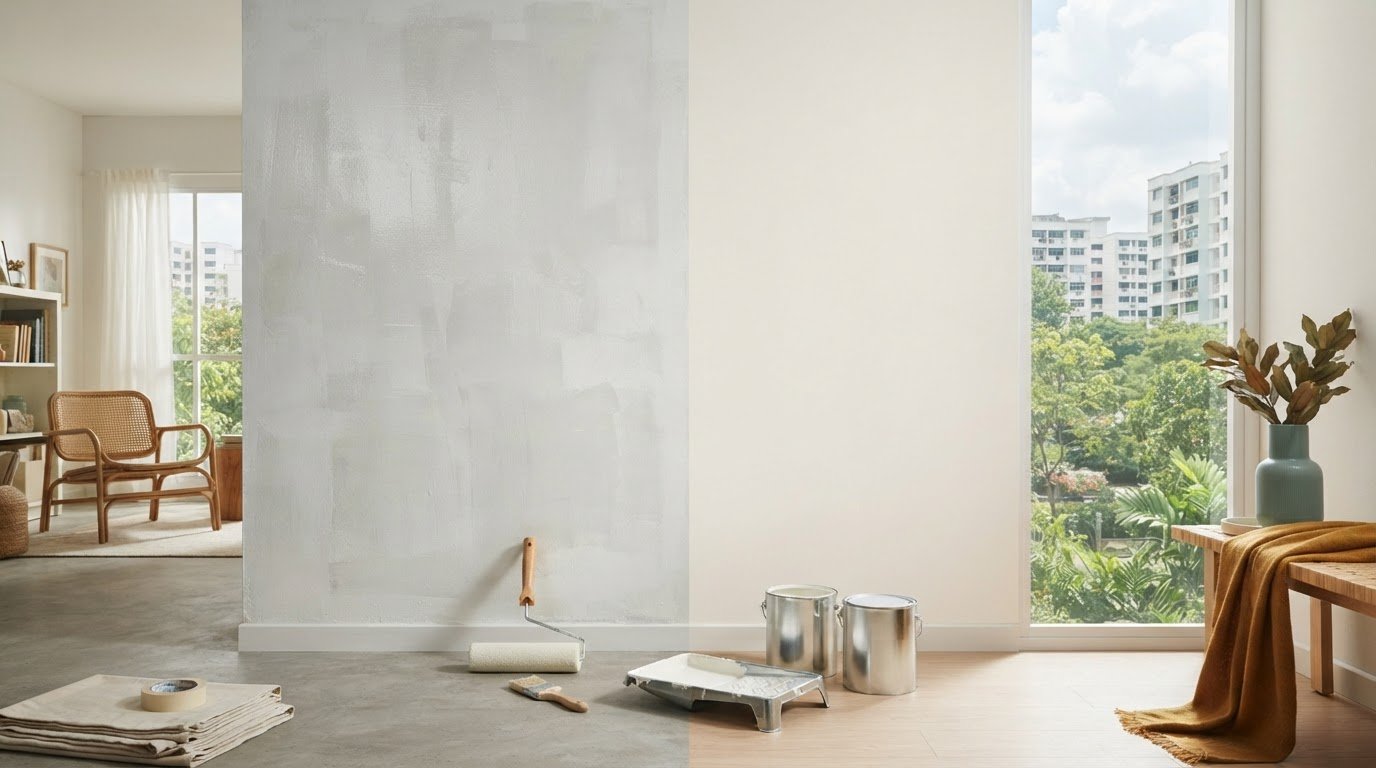
Primer is the first coating used to prepare a surface for paint by supporting adhesion and creating a suitable base. It can be important on raw surfaces or when making a drastic colour change, even if a premium paint includes primer. For example, a bare surface may need dedicated priming before the topcoat. Choose a primer suited to the substrate and follow its application instructions.